Dividends aren’t safe in crashes, except for a few names like Hormel (HRL).
It kept paying and even raised its payout through 2008–2009 and again in 2020.
That added up to a 59-year streak of annual raises, so this isn’t luck.
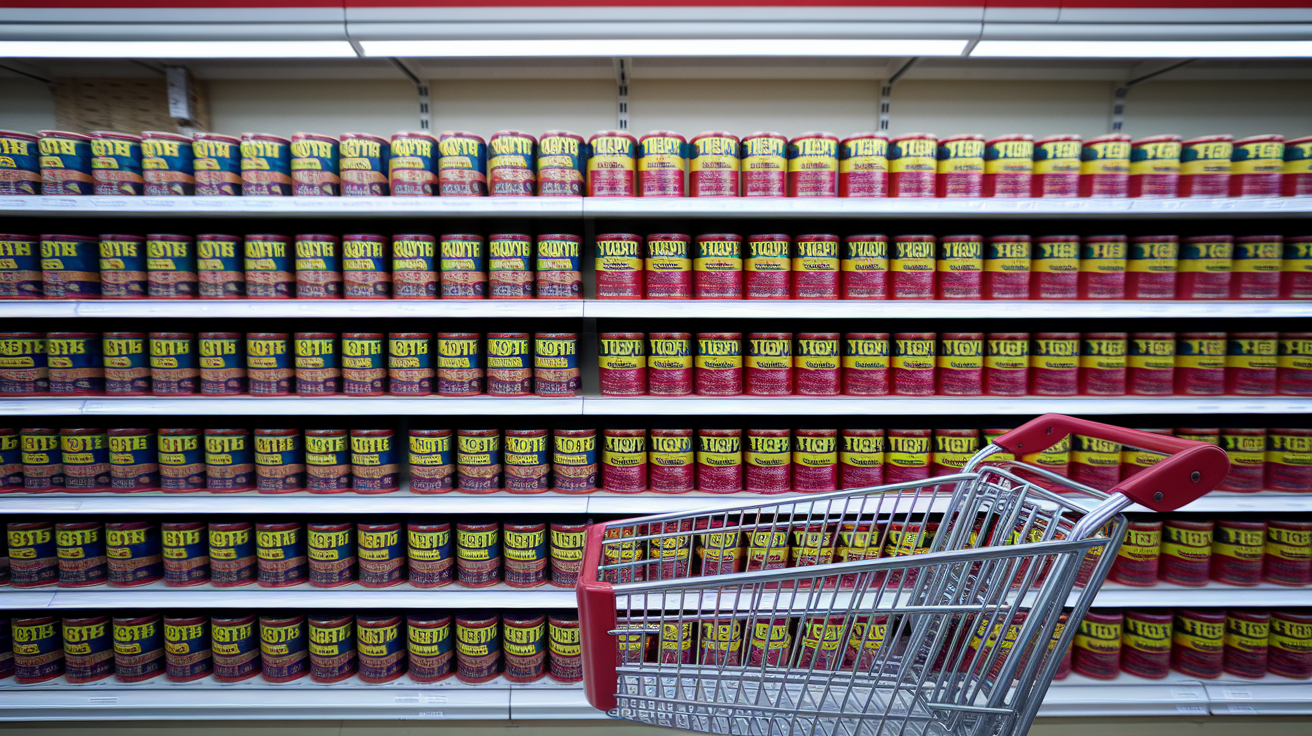
Hormel sells grocery staples, Spam, Jennie-O, Applegate and packaged meats, the stuff people still buy when budgets tighten.
That steady demand shows up in predictable cash flow.
If you want income that can survive a downturn, Hormel’s record makes a strong case.
Evaluating Hormel’s Dividend Reliability During Bear Markets

Hormel kept its dividend going through 2008–2009 and the 2020 crash. Actually increased it both times.
The S&P 500 dropped over 50 percent during the Great Recession. Companies everywhere were suspending payouts. Hormel? Kept the checks coming and raised the payout on schedule. Same thing in 2020 when hundreds of U.S. firms froze or cut distributions to hang onto cash. Hormel stuck to its plan and extended what’s now a 59-year streak.
It’s not luck. It’s what they sell.
Shelf-stable proteins like Spam, refrigerated meats, Jennie-O turkey, Applegate natural products. Grocery staples. The kind of stuff people buy whether the economy’s humming or tanking. During recessions, demand for convenient, affordable protein doesn’t disappear. Often goes up as families skip restaurants and cook at home. That stability shows up in operating cash flow, which stayed predictable enough to support dividend raises without blowing up the balance sheet.
When margins got squeezed in 2008–2009 because commodity costs were all over the place, Hormel adjusted pricing and cut costs instead of cutting the dividend. 2020 brought supply-chain mess and input-cost spikes, but core demand for packaged meats held. Cash flow stayed positive. The dividend increase went through.
For income investors who care about reliability when markets break, that’s the behavior that counts.
Hormel Foods Dividend History and Long-Term Growth Record

59 consecutive years of dividend increases as of 2024. That’s Dividend King territory, the 50-year club. It’s also well past the Dividend Aristocrat threshold of 25 years.
Quarterly payments have been uninterrupted for decades. Annual raises typically land in the 2–5 percent range. Not flashy. Just steady and predictable. The yield usually sits somewhere between 1.8 and 3.5 percent, climbing when the stock sells off and falling when shares run.
Long streaks like this aren’t just trivia. They tell you something about how management thinks. Every year the streak gets longer, the cost of breaking it gets higher. Boards protecting multi-decade records tend to plan conservatively, keep payout ratios in check, and avoid taking on debt that could force a cut when the next downturn hits. That institutional bias toward continuity matters if you’re building an income portfolio that needs to survive bad years.
A few things worth noting:
Dividend King status: Over 59 years of consecutive annual increases. One of the longest active streaks in U.S. markets.
Typical annual raise: Low to mid-single digits, roughly 2–5 percent per year in recent cycles. Reliability beats headlines.
Historical yield range: About 1.8–3.5 percent depending on where the stock’s trading. Yield rises during sell-offs and market-wide drops.
Quarterly payment cadence: Uninterrupted quarterly distributions for decades. Raises usually get announced in the fiscal fourth quarter.
Dividend Aristocrat inclusion: Meets the S&P 500 Dividend Aristocrat criteria at 25+ years and extends well beyond it into Dividend King range at 50+.
Final Words
Hormel proved it kept paying and often raised dividends through past downturns, including 2008–2009 and the 2020 shock.
Staples demand and strong brands like Spam and Jennie‑O kept cash flow steady, which backed uninterrupted payouts.
Add that to a 50+ year streak of raises and modest yields, and you’ve got a reliable income story, not a flashy growth bet.
For income-minded buyers, the hormel foods bear market dividend record is a useful data point when sizing positions. That’s encouraging.
FAQ
Q: Is Hormel Foods a dividend king?
A: Hormel Foods is a Dividend King, having raised its dividend for more than 50 consecutive years, showing long-term payout reliability and steady low-to-mid single-digit annual increases.
Q: Is Hormel owned by China or the USA?
A: Hormel Foods is an American company headquartered in Austin, Minnesota, publicly traded on the NYSE under HRL, with ownership primarily among U.S. institutional and retail investors.
Q: Is Hormel Foods dividend safe?
A: Hormel Foods’ dividend is generally considered safe, backed by 50-plus years of increases, uninterrupted payments during 2008–2009 and 2020, stable staple demand, and manageable payout ratios.
Q: Why is Hormel laying off employees?
A: Hormel is laying off employees because management is cutting costs or restructuring to match changing demand and margins; check company press releases and earnings commentary for the specific catalyst and expected savings.